Solar Installation Services in Pakistan: A 2026 Homeowner Guide
Booking professional solar installation services is what turns a box of panels into a system that safely powers your home for decades. In 2026, plenty of Pakistani households buy the right hardware but undervalue the installation itself, and that is exactly where systems succeed or fail. This guide explains what a proper installation involves, how to vet a crew, and why the workmanship often matters more than the brand on the panel.
Solar is deceptively simple to picture: panels on the roof, wires to an inverter, power to the house. In reality, safe mounting, correct cable sizing, earthing, and net-metering compliance demand real expertise. A rushed job can shade its own panels, corrode within a year, or trip your inverter repeatedly.
What professional solar installation services include
A complete installation is far more than bolting panels to a roof. It begins with a survey and ends with a commissioned, monitored, grid-approved system. Quality crews document every stage so you know exactly what you are paying for.
Reputable providers of solar installation services handle the full scope: structural assessment, layout design, mounting, DC and AC wiring, inverter and battery setup, safety earthing, and the net-metering application. Bundling these under one accountable team avoids the finger-pointing that plagues fragmented jobs.
The stages of a proper install
- Site survey: roof strength, orientation, and shading study.
- Design: panel layout, string sizing, and inverter selection.
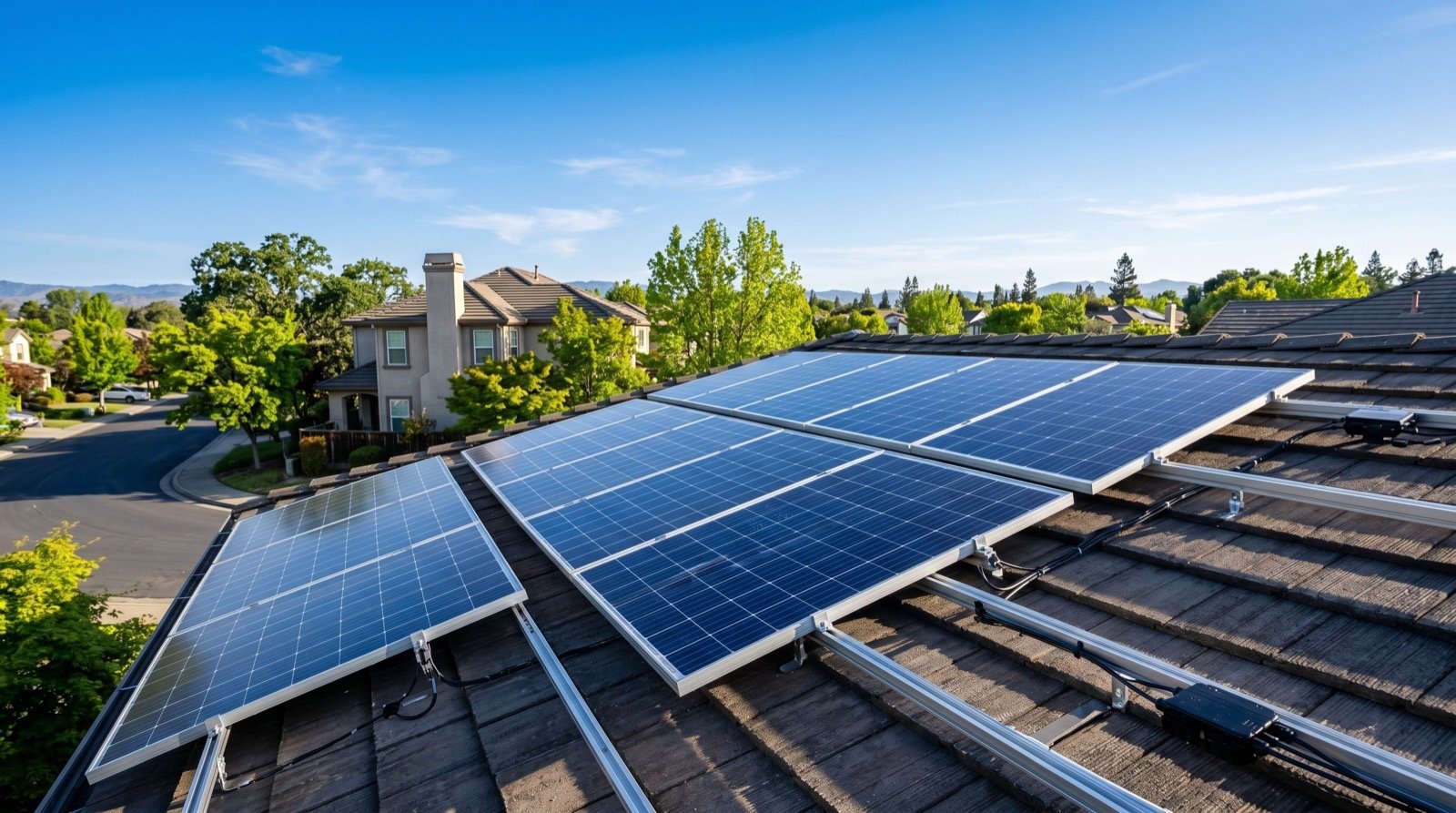
- Mounting: corrosion-resistant rails anchored correctly.
- Wiring: properly sized DC/AC cables with safe earthing.
- Commissioning: testing, monitoring setup, and handover.
How do you choose a reliable installer?
The market is crowded, and quality varies wildly. The safest approach is to judge crews on evidence, not promises. Ask to see completed jobs, request references, and read the warranty terms carefully before committing.
Look closely at workmanship guarantees. Panels may carry a 25-year warranty, but if the installer only warrants the hardware and not their own wiring and mounting, you carry the risk of a poor job. An experienced local team that stands behind its labour is worth paying a fair price for. You can compare service standards across trades; even guides on experienced local team selection in other fields show the same lesson: credentials and track record beat the cheapest quote.
Installation quality checklist
Use the table below to score any installer before you sign. If a company falls short on several rows, keep looking.
| Factor | What Good Looks Like | Red Flag |
|---|---|---|
| Survey | On-site visit and bill analysis | Phone-only quote |
| Mounting | Rated, corrosion-resistant rails | Improvised brackets |
| Wiring | Correct gauge, neat, earthed | Thin, tangled cabling |
| Warranty | Covers labour and hardware | Hardware only |
| Net metering | Handled for you | Left to the customer |
Batteries and backup done right
If you want power during load-shedding, backup design is part of the installation, not an afterthought. The crew must size the battery bank to your critical loads and wire the changeover safely. High-quality solar batteries in Pakistan paired with a correctly configured hybrid inverter give seamless backup, but only when installed and commissioned properly.
The installation process step by step
Knowing the sequence helps you spot a crew that cuts corners. A typical residential install unfolds like this:
- Survey the roof and analyse a year of electricity bills.
- Design the array, choose the inverter, and quote in writing.
- Install mounting rails and secure the panels safely.
- Run DC and AC wiring, then set up the inverter and any batteries.
- Test, commission, and file the net-metering application.
Physical installation usually takes one to three days. Net-metering approval and the bidirectional meter add a few weeks, so factor that into your expectations.
Why local expertise and standards matter
Pakistan’s growing rooftop sector operates within a policy framework promoted by the Alternative Energy Development Board (AEDB), which supports the safe expansion of renewable energy nationwide. A crew that understands local codes, weather, and utility procedures navigates approvals far more smoothly than an out-of-town outfit chasing volume.
From first-hand experience across many rooftops, the systems that perform best years later share one trait: they were installed by people who treated the job as engineering, not assembly. Neat wiring, correct earthing, ventilated inverter placement, and honest sizing all compound into reliability that a bargain install can never match.
Common installation mistakes to avoid
Even in a booming market, avoidable errors sink otherwise good systems. Knowing them helps you hold your installer to a higher standard from the first meeting.
The most frequent mistake is poor orientation and shading analysis, where panels are placed for convenience rather than sun exposure, quietly losing output every day. Undersized cabling is another, causing voltage drop and wasted energy that owners rarely notice until an audit reveals it.
Weak mounting is a hazard as much as a performance issue. Rails and clamps must withstand wind loads and years of thermal expansion; improvised brackets rust and loosen. Skipping proper earthing endangers both the equipment and the household during faults or lightning. Finally, leaving net metering to the customer often means a system generates surplus power for months with no credit to show for it.
A seasoned crew closes every one of these gaps as a matter of routine. When you interview installers, ask specifically how they handle shading studies, cable sizing, wind-rated mounting, and earthing, and you will quickly tell the professionals from the price-cutters.
Frequently Asked Questions
How long do solar installation services take?
The physical work on a typical home takes one to three days. Adding net-metering approval and meter replacement, the full process usually spans two to four weeks depending on your utility.
Can I install solar panels myself?
It is strongly discouraged. DC electricity, rooftop safety, and net-metering compliance require trained professionals. A DIY job also risks voiding warranties and failing utility inspection.
What maintenance do installed systems need?
Very little: periodic panel cleaning, an annual check of connections, and monitoring through the inverter app. A good installer explains this routine at handover so you keep output high.
Do installers handle net metering paperwork?
Reputable ones do. Having your installer manage the application, inspection, and bidirectional meter is one of the biggest advantages of choosing a full-service provider.
Final thoughts
The panels get the attention, but solar installation services quietly decide whether your investment thrives or disappoints. In 2026, choose a team that surveys before quoting, warrants its own workmanship, sizes your system honestly, and handles net metering for you. Get the installation right and your rooftop will deliver clean, dependable, and steadily cheaper power for the next quarter century.