Choosing a Solar Company in Quetta: A 2026 Climate-Smart Buyer’s Guide
Finding a trustworthy solar company in Quetta is not the same job as buying panels in the plains. Quetta sits above 1,600 metres, swings from freezing winter mornings to fierce summer sun, and sees dust storms that few Punjab cities ever face. In 2026, with grid tariffs climbing and net-metering rules settling into a predictable rhythm, the smart question is no longer “should I go solar?” but “who should install it, and how do I size it for my own weather?”
This guide walks you through exactly that. We compare high-altitude Quetta conditions with the summer-heavy climate of Punjab, show you how to judge an installer, and give you a sizing worksheet you can use before anyone visits your roof.
Why a Local Solar Company in Quetta Matters
Altitude changes the maths. Thinner air at 1,600 metres means panels receive stronger irradiance per hour but also cool down fast at night. Cold mornings actually lift panel voltage, which can trip a poorly configured inverter if the string was designed for Karachi, not Balochistan.
A crew that works the region every week already knows this. They will:
- Set string lengths that tolerate sub-zero voltage spikes in December and January.
- Specify dust-resistant coatings and a realistic cleaning schedule for storm season.
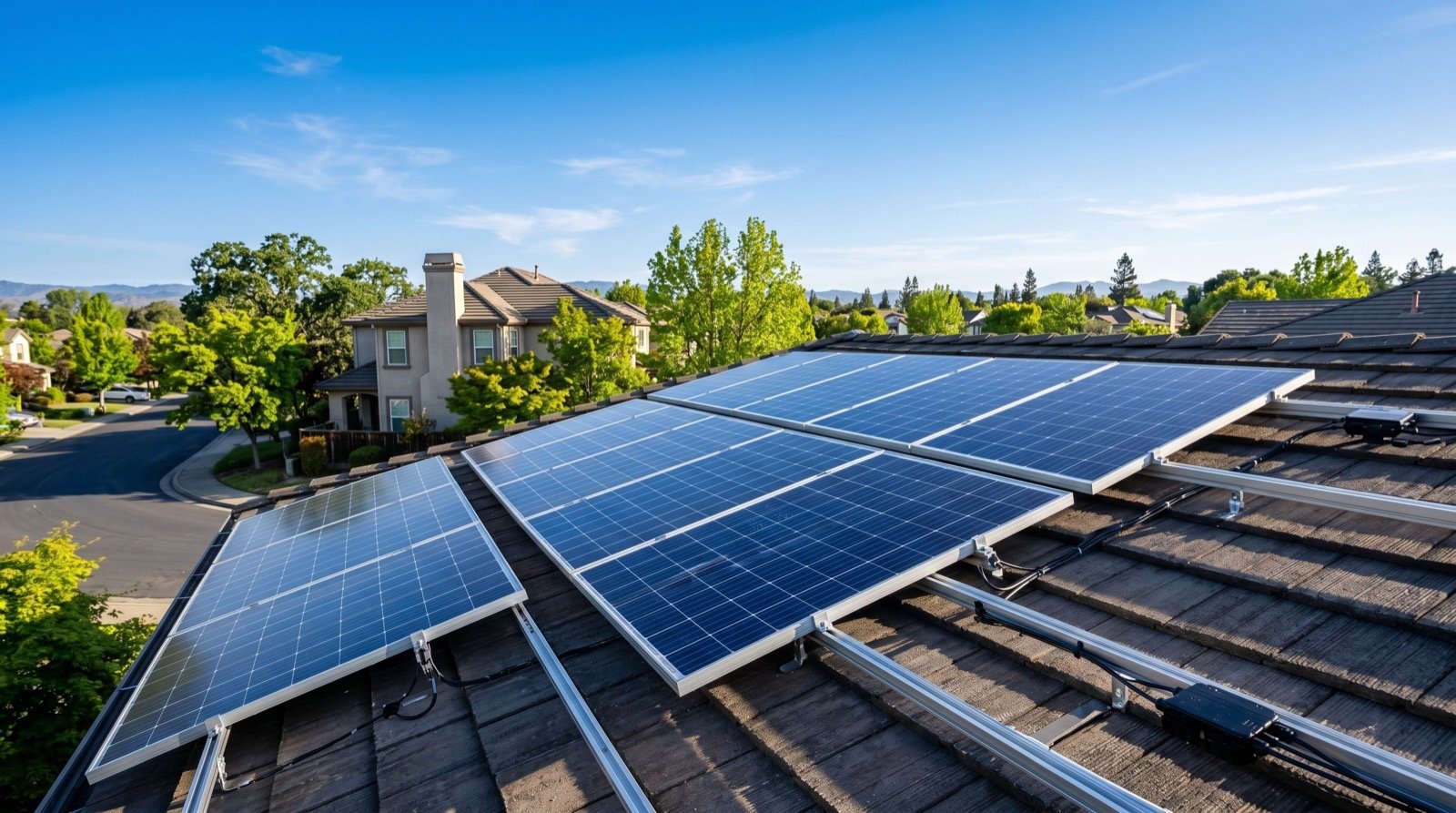
- Mount frames to survive the gusts that roll off the surrounding hills.
- File your net-metering paperwork with QESCO without you chasing signatures.
Compare that with a city like Faisalabad, where the main enemy is relentless July heat that drags panel output down. If you own property in both regions, a company offering reliable solar installation in Faisalabad alongside Quetta coverage gives you one accountable partner instead of two disconnected vendors.
The Red Flags of a Weak Installer
- No site survey — a quote produced from a phone call alone ignores shading and roof pitch.
- Vague brand names on panels or inverters instead of datasheets.
- No written performance guarantee or clear warranty handover.
- Cash-only deals with no formal invoice for your net-metering file.
How Climate Shapes Your Quetta vs Punjab System
The table below shows why a copy-paste design fails. These are planning figures a seasoned crew uses as starting points, then refines on your roof.
| Factor | Quetta (high altitude) | Faisalabad (plains) |
|---|---|---|
| Peak sun hours (annual avg) | 5.3–5.6 / day | 5.0–5.3 / day |
| Main output risk | Winter cold, dust storms | Summer heat derating |
| Panel tilt (fixed) | ~30° for winter yield | ~27° balanced |
| Cleaning frequency | Every 2–3 weeks in storm months | Monthly |
| Inverter concern | Low-temp voltage headroom | High-temp thermal rating |
Pakistan enjoys some of the best solar resource in the world; the Alternative Energy Development Board maps most of the country above 5 kWh/m² per day. Quetta sits comfortably inside that band, which is why payback here is often faster than owners expect.
Sizing Your Home System Before Anyone Visits
You do not need engineering software to get a sensible starting point. Pull three recent QESCO bills and follow these steps.
- Find your average monthly units (kWh). Divide by 30 for a daily figure.
- Divide daily units by 5.4 (Quetta’s rough peak-sun hours) to get the panel kilowatts needed.
- Add 20% headroom for winter cloud days and future appliances.
A home using 600 units a month needs roughly a 4 kW array. That is about ten modern 550-watt panels — a footprint most Quetta rooftops handle easily. Bring this number to your quote meeting so you can tell whether an installer is up-selling.
Do You Need Batteries in Quetta?
Not always. If your goal is to cut bills through net metering, an on-grid system without batteries pays back fastest. If winter load-shedding or voltage dips disrupt your evenings, a small lithium bank covering a few essential circuits is the pragmatic middle path. A good installer models both and lets you choose on numbers, not fear.
Understanding Net Metering and Payback in 2026
Net metering lets your meter run backward when panels produce more than you use, banking credit you draw on after sunset. The framework is set nationally by the National Electric Power Regulatory Authority and administered locally through QESCO. In 2026, applications move faster when your paperwork is complete the first time — another reason to pick an installer who files on your behalf.
For a typical 5 kW Quetta home, owners in 2026 are seeing payback inside four to five years, after which the electricity is effectively free for the remaining 20-plus-year panel life. The exact figure depends on your tariff slab, your daytime usage pattern, and how cleanly your system runs.
- Faster payback: high daytime use, clean roof, correct tilt.
- Slower payback: mostly night-time use with no battery, heavy shading.
Experienced buyers tell us the single biggest difference-maker is the installer’s commissioning quality — the handover day when settings, monitoring, and safety cutoffs are configured. Rushed commissioning quietly costs you yield for years.
What to Ask on Your Quote Meeting
Walk into every quote meeting with the same questions, and weak installers reveal themselves fast. Treat this as your scorecard:
- “Can I see the panel and inverter datasheets?” Named brands with real specs, not generic promises.
- “How did you account for Quetta’s winter voltage?” A confident answer about string design signals genuine altitude experience.
- “Who files my net-metering application?” The best crews handle QESCO paperwork end to end.
- “What does commissioning day include?” Settings, safety cutoffs, and a monitoring walkthrough should all be covered.
- “What is your after-sales response time?” A twenty-year system needs a team that answers the phone.
Keep the answers side by side across two or three vendors. The pattern that emerges usually makes your decision obvious before price even enters the conversation.
Frequently Asked Questions
How long does a solar installation in Quetta take?
A standard 4–6 kW rooftop system is usually mounted and wired in one to two days. Net-metering approval adds a few weeks on the utility side, but your system can run and save you money while that paperwork clears.
Will dust storms ruin my panels?
No, but they reduce output if you ignore cleaning. Tempered-glass panels shrug off dust physically; the issue is a film that blocks light. A rinse every two to three weeks during storm season restores almost all lost yield.
Is a solar company in Quetta more expensive than one in Punjab?
Hardware prices are broadly national. Any difference comes from logistics and the altitude-specific engineering a competent crew builds in — a cost that protects your investment rather than inflating it.
Can one company handle both my Quetta and Faisalabad properties?
Yes. A provider with multi-city coverage gives you consistent design standards, a single warranty contact, and unified monitoring across both climates.
Final Word: Pick the Right Solar Company in Quetta
Solar in Quetta rewards owners who respect the altitude and partner with a crew that does too. Match your system to your bills, insist on a real site survey, and demand clean commissioning. When you are ready to compare quotes, work with dependable specialists who document every step and stand behind the numbers. Make 2026 the year your roof starts paying you back.